It starts with the office sweep on Melbourne Cup day. You pick a horse, everyone cheers, and it feels like harmless fun. But later that night you’re still on the betting app, putting “just one more” on a game you don’t even care about, because you’re down and you want it back. If that moment feels familiar, you might be wondering about the signs of a gambling problem, and whether they apply to you.
Here’s what makes it confusing. Gambling is everywhere in Australia, and most people who have a bet never run into trouble. So when it does start to slip, it’s easy to tell yourself it’s fine, because everyone else is doing it too.
In this post, we’ll cover:
- the signs of a gambling problem, and how to tell a flutter from something more
- what chasing losses is, and why stopping can feel so hard
- how gambling and mental health affect each other
- what to do if you’re worried about your partner
- what actually helps, including how a psychologist can support you
Signs of a gambling problem: how do you know?
The clearest signs of a gambling problem show up in what gambling has started to do for you, and to you, whatever the size of your bets. A gambling problem is a pattern of gambling that keeps going despite the harm it causes to your money, mood, relationships or work.
Psychologists draw on the criteria for gambling disorder, along with checklists from Australian health services. These are some of the most common signs:
- Spending more time or money gambling than you planned.
- Going back to win back what you’ve lost.
- Thinking about gambling a lot, and feeling restless or irritable when you try to cut back.
- Gambling to escape stress, boredom, loneliness or a low mood.
- Hiding how much you gamble, or downplaying it to people close to you.
- Borrowing money, missing bills or dipping into savings to keep going.
- Trying to stop or cut down, without the change lasting.
You don’t need to tick every box for it to matter. Even one or two of these signs are worth taking seriously, especially if they’ve crept in over the last few months.
Chasing losses: why is it so hard to stop?
Chasing losses means betting again, often with bigger stakes, to win back money you’ve already lost. It is one of the most recognisable signs of a gambling problem, and it is also one of the hardest habits to break.
The reason sits partly in how the brain responds to reward. Gambling pays out on an unpredictable schedule, so the next win always feels possible. Near misses add to the pull. Think of the horse that came second, or the multi that fell over on the last leg. Research on the brain’s reward system shows that near misses activate many of the same brain areas as a real win. As a result, a loss can feel like you were “so close”, which makes stopping feel like giving up just before the payoff.
Chasing also has an emotional side. After a loss, you might feel shame, panic or anger at yourself. Another bet promises to make that feeling go away, at least for a moment. However, each new loss deepens the hole, and the urge to fix it grows stronger.
In other words, chasing is often an attempt to undo a painful feeling. Understanding that is often the first step towards changing it.
Gambling and mental health: which comes first?
Gambling and mental health affect each other in both directions. Some people start gambling more when they’re anxious, depressed or lonely, because it offers distraction and a burst of excitement. For others, the losses, secrecy and debt come first, and the anxiety and low mood follow.
The research reflects this close link. A large review of population surveys found that people with gambling problems had high rates of other mental health conditions, including mood and anxiety disorders. Alcohol and other substance use also commonly occurred alongside gambling problems.
Australian data tells a similar story. In the 2024 National Gambling Prevalence Study pilot, rates of mental health conditions rose as gambling risk increased. Suicidal thoughts were reported by 3.8% of people with no gambling risk, compared with 15.5% of those at high risk.
Sports betting: why it can escalate quickly
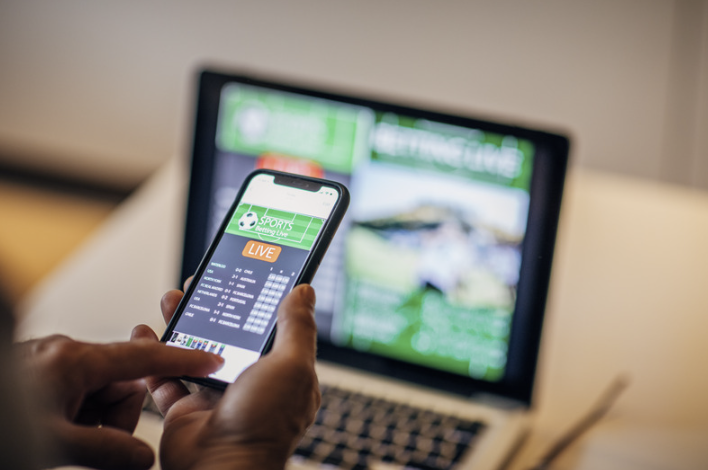
Sports betting can escalate quickly because it lives on your phone and never closes. You can bet on almost anything, at any hour, and live betting lets you place another bet within seconds of the last one. So the natural pauses that once gave people time to think have mostly disappeared.
Advertising adds to the pressure. Betting ads have become part of watching sport, which is one reason the federal government is moving to limit them, including deals with influencers. Meanwhile, the Australian figures suggest younger adults are more exposed. Among people who gamble at least monthly, 17.8% of 18 to 24 year olds were at high risk of harm.
If you’ve been searching for how to stop sports betting, you’re not alone, and it’s a sign you’ve already noticed something. That noticing matters, because it’s where change usually starts.

“But I only bet on the weekend.”
Gambling problems aren’t only about daily betting or huge losses. Many people we see gamble mostly on weekends or during big events, and still feel that gambling is taking up more space than it should.
The Australian prevalence data backs this up. In 2024, about 15% of adults were at some risk of gambling harm, and most of them sat in the low or moderate risk groups rather than the high risk group. Yet even people at low risk reported more financial hardship than people who didn’t gamble at all.
So a better question than “how often do I bet?” is “what role does gambling play in my life?” For example, notice whether you reach for the app when you’re stressed or after an argument. If gambling has become your main way to relax, celebrate or cope, it’s worth looking at more closely.
If you’re asking yourself “am I addicted to gambling?”, that question alone suggests something is bothering you. A conversation with a psychologist can help you work out what’s going on, without labels or judgement.
My partner has a gambling problem: what can I do?
If your partner has a gambling problem, you are likely feeling some of its effects too. Research estimates that each person with a gambling problem affects about six other people, most often a partner or children.
You might notice missing money, unexplained debts, secrecy around phones or bank accounts, or mood swings that follow sporting results. Naturally, it can leave you feeling angry, anxious and unsure who to trust. It also often brings up a lot of guilt about raising it.
A few things tend to help:
- Raise it at a calm moment, and talk about what you’ve noticed rather than labelling your partner.
- Protect your own finances, for example by separating accounts or limiting access to shared credit.
- Get support for yourself, even if your partner isn’t ready to change. GambleAware NSW offers free counselling for family and friends.
- If you ever feel unsafe, contact 1800RESPECT on 1800 737 732. Australian research has found higher rates of partner violence where a partner gambles weekly or more.
When both partners are ready, couples therapy can also help you rebuild trust and talk about money without the same fight every time.
Can a psychologist help with gambling?
Yes. Psychological therapy is the main treatment for gambling problems, and cognitive behaviour therapy (CBT) has the strongest research support. CBT helps you notice the thoughts that keep gambling going, such as “I’m due for a win”, and build other ways to handle urges, stress and low mood.
A Cochrane review of the research found that CBT reduced gambling and related symptoms straight after treatment. It also found less evidence about how long those changes last, which is one reason ongoing support and relapse planning matter. In addition, motivational interviewing can help when you feel two ways about changing, which is very common.
Good treatment also looks at what sits underneath the gambling. If you’re also dealing with anxiety, depression or money worries, those need attention too, or the urge to escape them tends to return.
Our psychologists work with gambling and other addictions, and we take the match between you and your psychologist seriously. Feeling safe and supported, without judgement, makes it much easier to be honest about what’s really happening. That honesty is often where the real work begins.

Practical steps you can take this week
These steps won’t replace treatment, but they can create some breathing room while you decide what to do next.
- Register with BetStop, the national self-exclusion register, to block yourself from licensed online and phone betting providers.
- Switch on the gambling block in your banking app. Most major Australian banks now offer one for debit and credit cards.
- Delete betting apps and unsubscribe from betting emails and texts.
- Tell one person you trust what’s been happening, so you aren’t carrying it alone.
- Notice your triggers. For example, jot down when the urge hits, what you were feeling, and what happened next.
- Call the National Gambling Helpline on 1800 858 858 for free, confidential support at any time.
Gambling support in Sydney
If you recognise yourself in this post, please go easy on yourself. Gambling works on the brain’s reward system in ways that make it hard to walk away, and many people find themselves further in than they ever meant to be. Noticing the signs of a gambling problem early, and reaching out, is a sign of strength.
Change is possible, and you don’t have to work it out on your own. Whether it’s your own gambling or someone you love, we’re here to help you find your way through.
Book a free 15-minute call with our Care Coordinator to talk about what’s been happening and find the right psychologist for you.
References
- Clark, L., et al. (2009). Gambling near-misses enhance motivation to gamble and recruit win-related brain circuitry. Neuron, 61(3), 481-490.
- Cowlishaw, S., et al. (2012). Psychological therapies for pathological and problem gambling. Cochrane Database of Systematic Reviews, Issue 11, CD008937.
- Goodwin, B. C., et al. (2017). A typical problem gambler affects six others. International Gambling Studies, 17(2), 276-289.
- Lorains, F. K., et al. (2011). Prevalence of comorbid disorders in problem and pathological gambling: Systematic review and meta-analysis of population surveys. Addiction, 106(3), 490-498.
- Potenza, M. N., et al. (2019). Gambling disorder. Nature Reviews Disease Primers, 5, 51.
- Tillman, G., et al. (2025). National Gambling Prevalence Study pilot 2024. Australian Gambling Research Centre, Australian Institute of Family Studies.
- Zhang, K., & Clark, L. (2020). Loss-chasing in gambling behaviour: Neurocognitive and behavioural economic perspectives. Current Opinion in Behavioral Sciences, 31, 1-7.
- ABC News. (2026, 2 July). Influencers to be targeted in Albanese government’s gambling advertising crackdown.
Resources
- Gambling Help Online: free, confidential online support, and the National Gambling Helpline on 1800 858 858
- GambleAware NSW: free counselling for people who gamble and for family and friends
- BetStop: the free national self-exclusion register for online and phone betting
- Healthdirect: gambling addiction: signs, support options and where to get help
- Lifeline: 24/7 crisis support on 13 11 14
- 1800RESPECT: 24/7 support if you feel unsafe in your relationship
Disclaimer: This article is for general informational purposes only and is not a substitute for individual psychological advice, assessment, or treatment. Reading this content does not establish a therapeutic relationship. If you have concerns about your mental health, please seek support from a registered health professional.