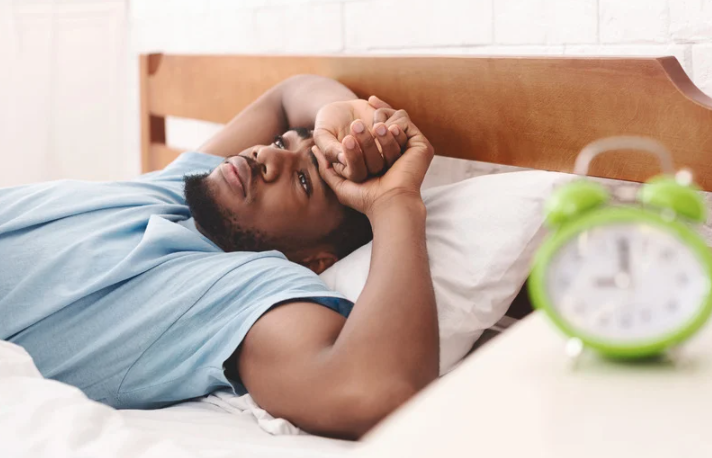
Sleep hygiene tips are everywhere. From strict bedtime rules to viral wellness trends, it can feel as though there is a “right” and “wrong” way to sleep. Yet for many people, these rigid rules don’t improve sleep at all. In fact, they often increase anxiety – making sleep even harder.
If you’ve ever found yourself lying awake thinking “I should be asleep by now”, you’re not alone. Worrying about sleep, monitoring the clock, or stressing that a new tip “isn’t working” can all activate your nervous system and keep you awake.
In this article, we’ll unpack common sleep hygiene myths, explain what the research actually shows, and explore more flexible, evidence-based ways to support healthy sleep.
What Is Sleep Hygiene?
Sleep hygiene refers to the habits, routines, and environmental factors that influence sleep quality. While the concept is grounded in science, it has often been oversimplified into rigid lists of “do’s and don’ts”.
The reality is that sleep hygiene is not one-size-fits-all. What improves sleep for one person may worsen it for another. Aiming for “perfect” sleep behaviours can backfire, increasing pressure and frustration.
Rather than striving for flawless routines or exactly eight hours of sleep every night, a more helpful goal is to:
- understand your body’s natural rhythms
- experiment gently with habits
- build routines that feel sustainable and realistic
Sleep Hygiene Myths vs Facts
Myth 1: “Everyone needs eight hours of sleep.”
Fact: Sleep needs vary from person to person.
It’s true that most adults function best on roughly seven to nine hours of sleep per night. But eight hours isn’t necessarily the perfect amount of sleep. Some people feel refreshed after six and a half hours, while others need closer to nine. What matters more is how you feel during the day. If you wake up feeling alert and can function without relying heavily on caffeine or naps, your sleep duration is likely adequate.
Try this: Track your natural sleep cycle for a week instead of focusing on attaining a specific amount of hours. Take note of what time you get sleepy, how long it takes you to fall asleep, and how you feel once you wake up. You might discover your body thrives on a slightly shorter (or longer) schedule than you thought.
Myth 2: “If you can’t sleep, stay in bed until you do.”
Fact: Staying in bed awake can actually make insomnia worse.
If you can’t sleep, shouldn’t you just shut your eyes and keep trying? It sounds rational, but lying awake in bed can create a negative association between your bed and frustration. Over time, your brain starts to link being in bed with worry and being awake rather than rest.
Try this: Get up if you’ve been awake for more than about 15–20 minutes. Do something quiet and relaxing, like reading in low light or listening to calm music. Then, return to bed when you feel drowsy again.
Myth 3: “You must go to bed and wake up at the exact same time every day.”
Fact: Consistency can help, but flexibility is important.
Having a consistent sleep cycle helps regulate your circadian rhythm (often called your “body clock”). However, life isn’t always predictable, which is normal and even expected. Strict adherence to an exact bedtime can create anxiety about sleep. This might be the thought of “I have to fall asleep right now”. Unfortunately, this pressure increases alertness, making it harder to fall asleep.
Try this: Aim for relative consistency, not rigidity. Establish a broader window for bedtime and waking up (e.g., 10–11 pm and 6:30–7:30 am) rather than exact times.
Myth 4: “Napping ruins your nighttime sleep.”
Fact: Short naps can be helpful, but it depends on timing and duration.
It might be tempting to make up those two hours of sleep that you missed last night during the afternoon. However, napping too long or too late in the day can make it harder to fall asleep at night. But brief naps (around 10–20 minutes) can boost alertness and mood, especially when you’re sleep-deprived and the fatigue is getting in the way of completing day-to-day tasks.
Try this: If you need a recharge, nap before 3 pm and set an alarm to keep it short. If you struggle with insomnia, it may be better to skip naps and focus on consolidating nighttime sleep.
Myth 5: “A glass of wine helps you fall asleep.”
Fact: Alcohol may help you drift off, but it can significantly disrupt sleep quality.
Alcohol is classed as a “depressant” drug and can therefore act as a sedative. However, it can make sleep fragmented later in the night and can reduce REM sleep (the most restorative level of the sleep cycle). You may fall asleep faster, but you’ll wake more often and feel less refreshed.
Try this: If you drink, have your last glass at least 2-3 hours before bed. Many people notice clearer, deeper rest when they skip alcohol altogether.
Myth 6: “You can catch up on sleep on the weekend.”
Fact: Extra sleep helps temporarily but doesn’t fix chronic sleep loss.
Sleeping in for a few extra hours on the weekend can help repay some of your “sleep debt”, but it also shifts your body clock, making it harder to fall asleep on Sunday night. Many people then notice more disrupted and lower quality sleep and wake up feeling groggy on Monday morning, a phenomenon sometimes called “Monday morning jet lag”. This can make it even harder to start the week feeling rested and alert.
Try this: After a late night, go to bed a bit earlier or take a short nap rather than oversleeping the next day.
Myth 7: “If you can’t sleep, you’re just not trying hard enough.”
Fact: Sleep is not something you can force.
Sleep is a natural process that happens when the mind and body are calm. Trying to “make” yourself sleep usually backfires, increasing tension and alertness. It can easily turn into a frustrating cycle where we become self-critical, thinking things like, “I am so bad at falling asleep. I should be better at it.” The good news is that noticing these thoughts is the first step to breaking the cycle and learning strategies that help your mind and body settle naturally for sleep.
Try this: Approach sleep with acceptance, not control. If you can’t sleep, focus on restfulness instead. Gentle breathing or mindfulness while resting your eyes can help you relax without pressure.
What Actually Works for Better Sleep?
Research consistently supports the following approaches:
- Maintain a regular routine with flexibility
- Create a dark, cool, and quiet sleep environment
- Reduce caffeine and alcohol close to bedtime
- Develop a calming wind-down routine
- Get daylight exposure and regular movement
- Manage stress and rumination during the day
Your Personal Sleep Hygiene Check-In
Rather than overhauling everything, try reflecting on:
- Which sleep habits genuinely help you feel rested?
- Which “rules” increase pressure or anxiety?
- What is one small change you could experiment with this week?
Healthy sleep is not about perfection. It’s about curiosity, balance, and giving your body the conditions it needs to rest and recover.
Struggling with Sleep? We Can Help
If you’ve tried all the usual tips and still struggle to fall or stay asleep, you’re not alone. Many people experience periods of insomnia or restless nights, especially during stressful times. Sleep is a powerful factor that impacts our overall functioning, and it is common for sleep problems to begin affecting our mood. Chronic sleep difficulties can contribute to the development of conditions such as depression and anxiety. With the right support and strategies, it is impossible to improve sleep, helping you feel more rested and able to cope with daily challenges.
At MyLife Psychologists, our clinical psychologists support sleep difficulties using evidence-based approaches such as:
- Cognitive Behavioural Therapy (CBT)
- Acceptance and Commitment Therapy (ACT)
- Mindfulness-based strategies
- Stress management strategies.
We work alongside you to develop practical strategies tailored to your needs, so you can improve your sleep and feel more rested, focused, and balanced during the day.
If you’re ready to start sleeping better, get in touch with us today.
References and Resources
- Centre for Clinical Interventions (WA). Sleep Hygiene Information Sheet
- Harvard Health Publishing. Sleep hygiene: Simple practices for better rest
- Johns Hopkins Medicine. Is oversleeping bad for your health?
- Sleep Education (American Academy of Sleep Medicine). Can’t sleep? Do this, not that
- Sleep Foundation. How to reset your sleep routine
- Harvard Health Publishing. Is your daily nap doing more harm than good?
- Perlis et al. (2018). Cognitive behavioural therapy for insomnia
- RACGP. Cognitive behavioural therapy for chronic insomnia