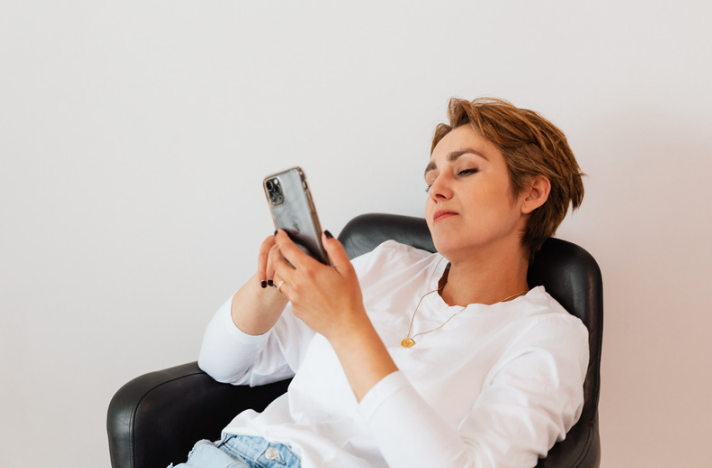
‘Three TikTok videos were all it took to convince me I had ADHD.’
It’s a story psychologists are hearing more and more often.
Social media has transformed the way we learn about mental health. Millions of people are turning to TikTok to understand why they struggle with focus, emotions, relationships or everyday tasks. Alongside ADHD, videos about OCD, autism, complex PTSD (CPTSD) and borderline personality disorder (BPD) have attracted millions of views, often leaving people wondering, ‘Could this explain what I’ve been experiencing?’
The rise of TikTok ADHD self diagnosis is one of the biggest conversations in mental health today. In many ways, that’s a positive development. Greater awareness has helped reduce stigma and encouraged people to seek support who may never have done so in the past.
At the same time, social media self diagnosis carries real risks. A 60-second video, even one created with good intentions, cannot replace a comprehensive psychological assessment. While social media can be an excellent starting point for self-reflection, it shouldn’t be the final word on your mental health.
So how do you know whether TikTok has helped you recognise something important, or simply led you down the wrong path?
Why Has TikTok ADHD Self Diagnosis Become So Popular?
Social media has transformed the way we learn about mental health.
Unlike textbooks or clinical websites, TikTok delivers personal stories in a relatable, engaging format. Instead of reading a list of symptoms, you might hear someone describe forgetting appointments, struggling to start tasks, feeling emotionally overwhelmed, or constantly losing their keys.
For many people, these stories create an immediate sense of recognition.
Sometimes that recognition is genuinely meaningful. Many adults, particularly women, have only discovered they have ADHD later in life after years of feeling misunderstood. Increased public awareness has undoubtedly helped many people seek an assessment they may otherwise never have considered.
In this sense, social media has done something valuable. It has helped normalise conversations about mental health and encouraged people to ask important questions.
What Social Media Gets Right About Self Diagnosing Mental Health
It’s easy to criticise TikTok, but that would overlook the genuine benefits it has brought.
Social media has helped people:
- realise that mental health difficulties are common
- feel less isolated in their experiences
- learn that effective treatment exists
- find language to describe what they’ve been experiencing
- become more willing to seek professional support.
Many people first decide to see a psychologist after coming across content that resonates with them. Sometimes those videos provide the first indication that their experiences deserve attention rather than dismissal.
That’s something worth celebrating. The problem isn’t becoming curious about your mental health – the problem is assuming curiosity is the same as certainty.
The Risks of Social Media Self Diagnosis
Recent research suggests we should be cautious about relying on social media as a source of mental health information.
In 2025, researchers found that more than half of the 100 most popular mental health advice videos on TikTok contained misinformation, misleading claims, or oversimplified advice. Some videos presented normal emotional experiences as symptoms of mental illness, while others promoted treatments with little or no scientific evidence.
This doesn’t necessarily mean creators are intentionally spreading misinformation. Many are simply sharing their own lived experiences. The difficulty is that personal experience and clinical diagnosis are not the same thing. What helped one individual may not apply to someone else.

Why So Many TikTok Videos Feel Uncomfortably Accurate
One of the reasons TikTok ADHD self diagnosis has become so widespread is that many of the behaviours described are incredibly common.
Consider statements such as:
- ‘I procrastinate.’
- ‘My mind never stops.’
- ‘I interrupt people.’
- ‘I get distracted.’
- ‘I struggle to stay organised.’
- ‘I feel emotionally sensitive.’
Many people can identify with these experiences.
But identifying with a symptom doesn’t necessarily mean you have a disorder.
Psychologists don’t diagnose ADHD because someone occasionally loses their keys or struggles to concentrate during a long meeting. We look at the bigger picture.
We ask questions like:
- Have these difficulties been present since childhood?
- Do they occur across multiple settings, such as work, home, and relationships?
- Are they causing significant impairment in everyday life?
- Could another explanation better account for these difficulties?
The answers to those questions matter just as much as the symptoms themselves.
The Algorithm Isn’t Trying to Diagnose You
Another important factor is how social media algorithms work – TikTok’s goal is to keep you watching.
If you interact with one ADHD video, the platform is likely to show you many more. Before long, your feed may become almost entirely focused on ADHD, autism, trauma, or another mental health condition.
This can unintentionally reinforce the belief that you’ve found the explanation for everything you’re experiencing.
Psychologists call this confirmation bias, our natural tendency to notice information that supports our existing beliefs while overlooking information that doesn’t.
The more similar videos you watch, the more convincing the diagnosis can feel, even if alternative explanations haven’t been considered.
Why Mental Health Isn’t Always Straightforward
One of the biggest challenges with self diagnosing mental health is that many psychological conditions share similar symptoms.
For example, difficulty concentrating can occur with:
- ADHD
- anxiety disorders
- depression
- chronic stress
- burnout
- trauma
- grief
- sleep disorders
- some physical health conditions.
Likewise, emotional sensitivity may be associated with ADHD, trauma, personality patterns, anxiety, or simply living through a particularly stressful period of life.
Without considering someone’s history, relationships, environment, physical health, and overall functioning, it’s impossible to know which explanation fits best.
Sometimes the answer is ADHD, sometimes it isn’t. Sometimes there are several contributing factors working together.
A Diagnosis Is More Than a Checklist
Mental health diagnoses aren’t made by counting how many TikTok videos sound familiar.
A comprehensive psychological assessment considers:
- your developmental history
- your current symptoms
- when difficulties first began
- how different areas of your life are affected
- family history
- strengths as well as challenges
- other possible explanations for your experiences.
Good assessment is less about putting a label on someone and more about understanding the whole person. The goal isn’t simply to answer, ‘Do I have ADHD?’ It’s to answer, ‘What’s really going on, and what support is most likely to help?’
What If TikTok Has Made You Wonder About Yourself?
Rather than asking, ‘Do I have ADHD?’ try asking a different question: ‘What is this content helping me notice about myself?’
Maybe you’ve recognised longstanding difficulties with attention. Maybe you’ve realised you’ve been living with chronic anxiety. Maybe you’ve noticed patterns of perfectionism, emotional overwhelm, or relationship difficulties.
Those insights are valuable. Instead of treating them as a diagnosis, think of them as starting points for further exploration.
Bringing these observations to a psychologist can lead to a much richer understanding of what’s happening than relying on social media alone.
When Should You Seek Professional Support?
Consider speaking with a psychologist if:
- your difficulties have persisted for months or years
- they’re affecting work, study, relationships, or daily life
- you’ve tried self-help strategies without lasting improvement
- you’re finding yourself increasingly anxious about whether you have a particular diagnosis
- you’d like a clearer understanding of your mental health.
You don’t need to know exactly what’s wrong before seeking support – that’s part of what a psychologist can help you work through.

The Bottom Line
Social media has changed mental health conversations for the better in many ways. It has reduced stigma, increased awareness, and encouraged countless people to seek help.
But awareness isn’t the same as assessment. If TikTok has made you wonder whether you might have ADHD, or another mental health condition, that curiosity is worth taking seriously. At the same time, it’s important to recognise the limits of short-form content and remember that mental health is rarely as simple as a list of relatable symptoms.
The most valuable question isn’t, ‘Does this TikTok describe me?’ It’s, ‘What might my experiences be trying to tell me?’ A thoughtful, evidence-based assessment can help answer that question with far greater confidence than any algorithm ever could.
Thinking About Speaking With Someone?
If you’ve recognised yourself in some of the experiences described above, you don’t have to figure it out on your own.
At MyLife Psychologists, our experienced psychologists work with adults experiencing attention difficulties, anxiety, trauma, emotional regulation challenges, relationship concerns, and many other mental health difficulties. Whether your experiences are related to ADHD or something entirely different, we’ll work with you to understand the bigger picture and develop a plan that fits your individual needs.
Book a free 15-minute phone call with one of our Care Coordinators. We can answer your questions, discuss what you’re experiencing, and help match you with the psychologist who best suits your needs.
References and Resources
Research and References
- Anthony, J., et al. (2025). A Double-Edged Hashtag: Evaluation of ADHD-related TikTok Content and Its Influence on Viewer Perceptions. PLOS ONE.
- Yeung, A., et al. (2022). TikTok and Attention-Deficit/Hyperactivity Disorder: A Cross-Sectional Study of Social Media Content Quality. Journal of Medical Internet Research.
- Furnham, A., & colleagues. (2024). TikTok-Inspired Self-Diagnosis and Its Implications for Adolescent Mental Health. Counselling Psychology Quarterly.
- Hudon A, et al. (2025). Navigating the Maze of Social Media Disinformation on Psychiatric Illness and Charting Paths to Reliable Information for Mental Health Professionals: Observational Study of TikTok Videos. Med Internet Res.
- The Guardian. (2025). More than half of top 100 mental health TikToks contain misinformation, study finds.
Mental Health Resources
- ADHD Foundation UK
- CHADD (Children and Adults with Attention-Deficit/Hyperactivity Disorder)
- Black Dog Institute
- Beyond Blue
- SANE Australia
- Healthdirect Australia
- Australian Psychological Society
Disclaimer: This article is for general informational purposes only and is not a substitute for individual psychological advice, assessment, or treatment. Reading this content does not establish a therapeutic relationship. If you have concerns about your mental health, please seek support from a registered health professional.